Common Mistakes in Apartment Plant Care — and How to Avoid Them

Today’s chosen theme: Common Mistakes in Apartment Plant Care. Welcome to a warm, practical guide that turns slips into success. We’ll share real fixes, tiny triumphs, and honest lessons so your windowsills feel like a small urban jungle. Subscribe and say hello in the comments—tell us which plant you’re determined to rescue this month.

Watering Wisdom: Ending the ‘More Is Better’ Myth

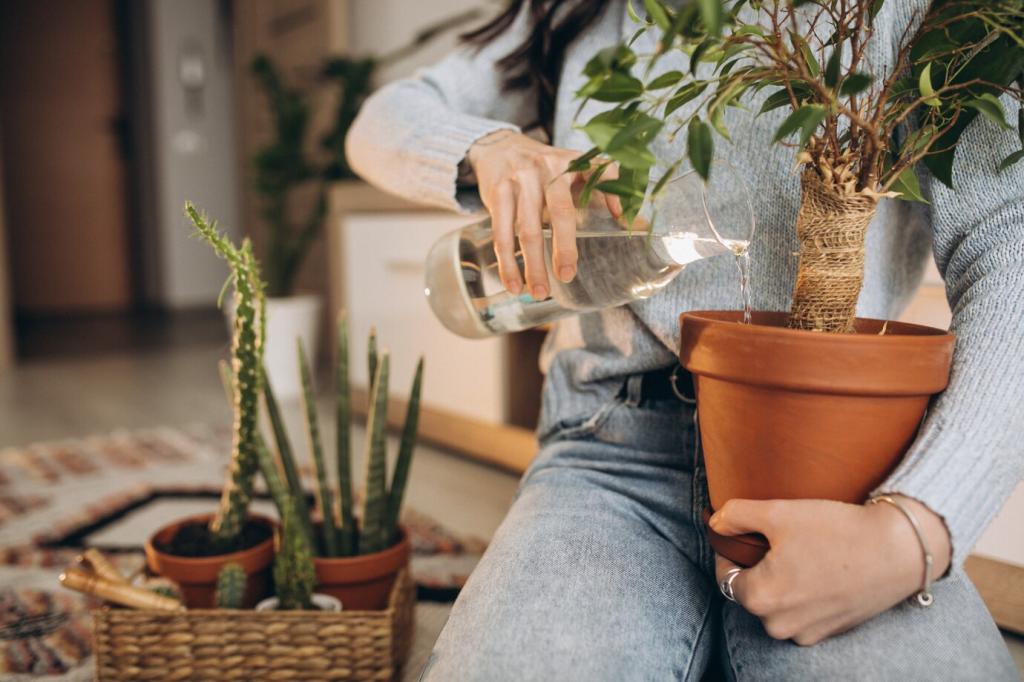
Calendar schedules drown plants. Instead, feel the top two inches of soil, lift the pot to gauge weight, and learn each plant’s rhythm. Moisture meters help, but your senses matter most. Pause, check, then water with intention rather than routine.

Let There Be Light: Misreading Sun and Shade Indoors

North windows offer gentle, consistent light; south windows blast intensity; east brings soft morning sun; west delivers a hot afternoon punch. Match plants to exposures instead of forcing fit. Low-light tolerant doesn’t mean no-light; it means ‘less fussy,’ not photosynthesis-free.

Let There Be Light: Misreading Sun and Shade Indoors

Light intensity plunges with distance. Two meters from a bright window can be dim to a ficus. Try the hand-shadow test: crisp shadows mean bright light; blurry shadows mean medium; barely any shadow means low. Move plants closer before buying grow lights.

Soil and Potting Pitfalls: When Good Roots Go Bad

The Perils of Heavy Garden Soil Indoors

Garden soil compacts in containers, excluding air and inviting gnats. For houseplants, use airy mixes tailored to species: add perlite, bark, or pumice for drainage. Roots breathe between waterings, and oxygen gaps keep fungus and root rot at bay.

Right Size, Right Time

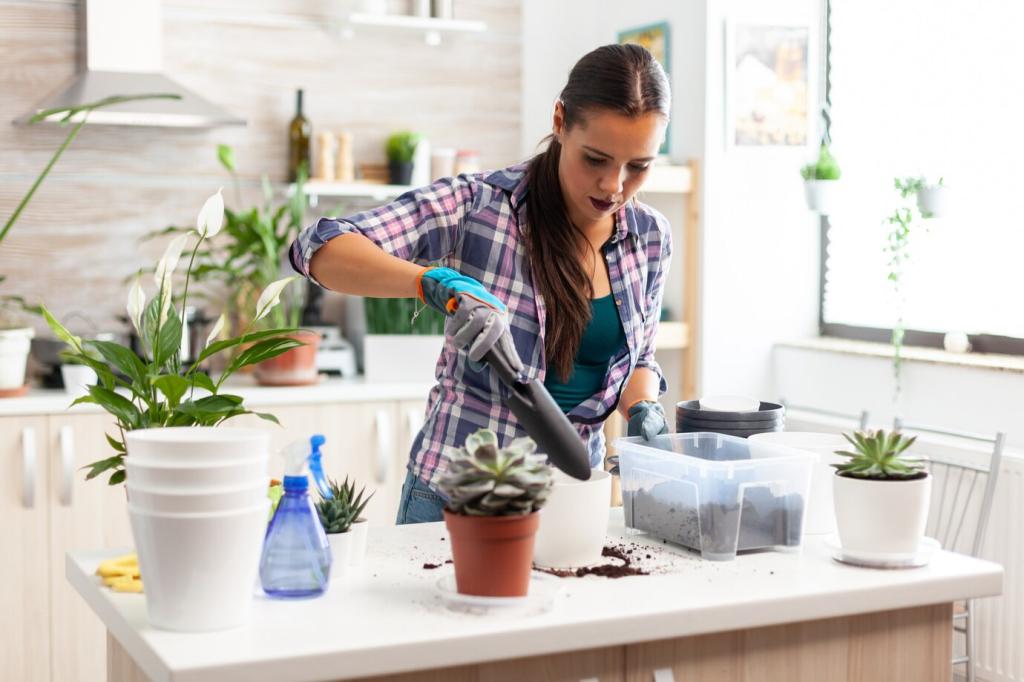
A pot too large holds excess moisture, suffocating roots. Pot up one size—just a little wiggle room. If roots circle or poke from drainage holes, repot. If soil stays soggy for days, you’ve probably gone too big, too soon.

Layering Myth: Pebbles Don’t Improve Drainage

Pebbles create a perched water table, pushing saturation higher into the soil. Skip the pebble layer; use a proper mix and drainage holes. Manage moisture through soil structure and watering technique, not decorative gravel. Science beats myths every single time.

Feeding Right: Fertilizer Is Food, Not a First Aid Kit

Sick plants rarely need more fertilizer; they need better conditions. Fix light, water, and soil first. Then feed lightly during active growth. Overfeeding scorches roots and leaves, creating problems that look like deficiencies but start with excess.

Feeding Right: Fertilizer Is Food, Not a First Aid Kit

Most plants slow down in winter. Cut fertilizer entirely or reduce heavily during dormancy. Resume gentle feeding in spring as days lengthen. Let new growth guide you, not the bottle’s promise. Balance brings lasting vigor and fewer crispy tips.

Repotting and Propagation: Avoiding Shock and Setbacks

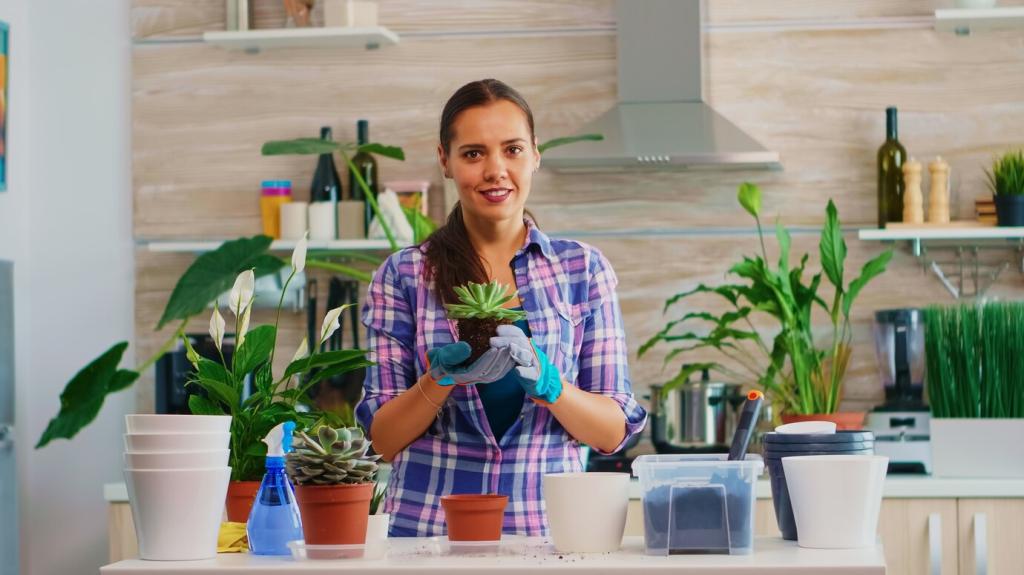
Repot when roots circle the pot, water runs straight through, or growth stalls despite good care. Skip repotting in deep winter. Choose the next size up and refresh the mix. The right timing preserves momentum and reduces stress.

Repotting and Propagation: Avoiding Shock and Setbacks

After repotting, avoid direct sun for a week, water lightly to settle soil, and resist fertilizer. Give steady warmth and gentle airflow. New roots need calm, not hustle. Treat the plant like a recovering athlete, not a marathoner.
Tokoshani
Privacy Overview

This website uses cookies so that we can provide you with the best user experience possible. Cookie information is stored in your browser and performs functions such as recognising you when you return to our website and helping our team to understand which sections of the website you find most interesting and useful.